Siding in Boulder's Historic Districts: What to Know
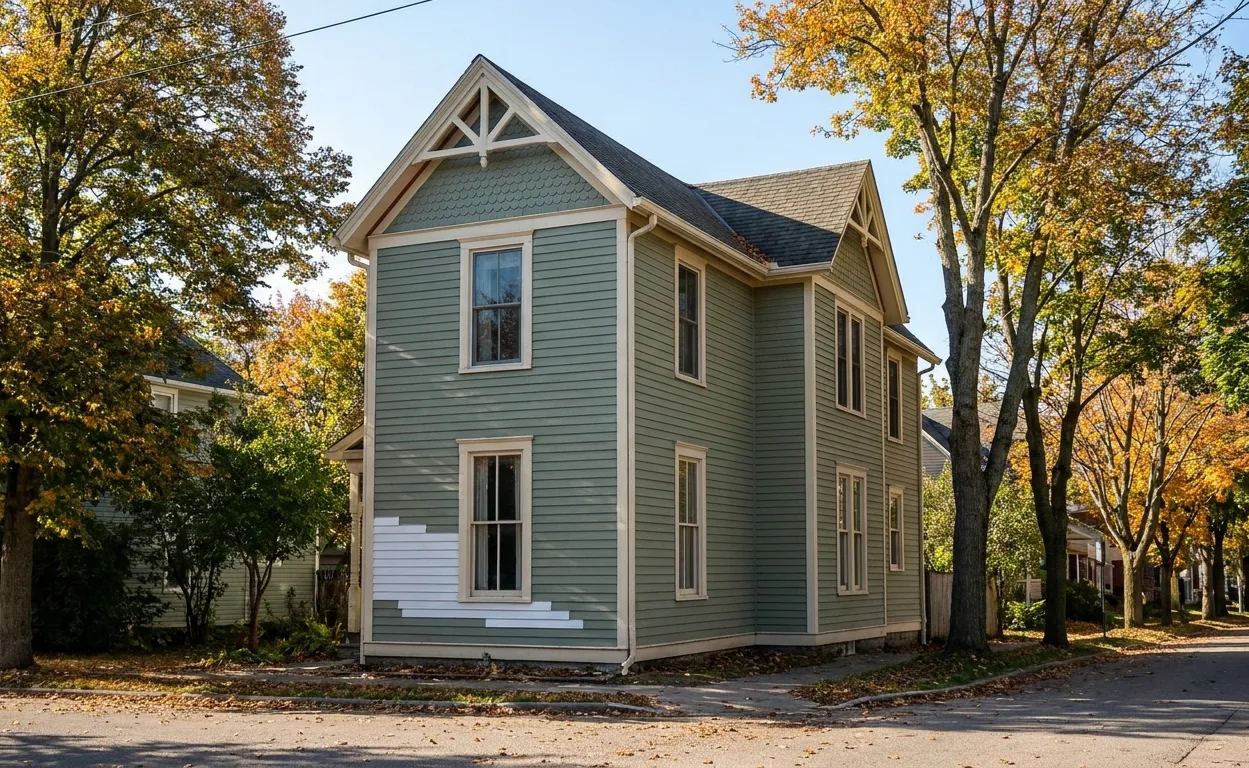
Boulder has some of the most distinctive older homes on the Front Range, from the Victorian houses of Mapleton Hill to the cottages around Chautauqua Park. If your home is in one of the city's historic districts or is an individual landmark, siding work comes with an extra step that many homeowners do not know about until a project is already planned. In this post, we explain how the review works, what the guidelines generally expect, and how our Siding Repair Experts approach older homes.
Which Homes Are Affected?
The City of Boulder has ten historic districts and more than two hundred individual landmarks. Districts include Mapleton Hill, Chautauqua Park, Highland Lawn, University Place, West Pearl and the Downtown district, among others. Homes in and around Mapleton Hill, Downtown Boulder and the Pearl District are the ones we most often see affected. Fewer than three percent of properties in the city are designated, so most Boulder homes are not, but if yours is, the rules apply to every exterior change.
The Landmark Alteration Certificate
Exterior changes to a designated property require a Landmark Alteration Certificate before work begins. That includes replacing siding and, in many cases, repainting it. The city does not charge a fee for the application. According to the city, straightforward applications approved by staff typically take two to four weeks, while projects that go to the Landmarks Board can take six weeks to three months. Plan your siding schedule around that, especially if you want exterior work finished before winter.
What Reviewers Look For
The review asks whether the work preserves the home's architectural features and whether the materials, texture and color are compatible with the house and the district. In practice, that means the guidelines generally favor repairing original wood siding over replacing it, and matching the original board width, profile and reveal when replacement is necessary. Swapping historic clapboard for a product with a different profile or an artificial wood-grain texture is the kind of change that tends to draw questions. Each district has its own design guidelines, so it is worth reading the one that covers your street.
Repair First, Replace Carefully
On most older Boulder homes, the siding is not failing everywhere at once. The damage is usually concentrated where water collects: near the ground, below windows and around downspouts. Replacing only the damaged boards with matching new wood, then priming and painting properly, often keeps a house looking original and keeps the review simple. Our post on the top signs your Boulder home needs siding repair covers what to look for. Where larger sections do need replacing, our Custom Siding Designs team can match profiles and details that are no longer stocked.
Bring Documentation to the Review
A smoother application usually includes clear photos of the existing siding, a description of the proposed material and finish, and details of how trim and corners will be handled. We prepare that information for our clients as part of planning Residential Siding Services on historic homes. For a broader look at choosing materials, see our guide to choosing siding in Boulder and our post on the best siding materials for Boulder's climate.
The City of Boulder publishes its Landmark Alteration Certificate application and review process online, including what to submit and how long review takes.
At Boulder Siding Group, we enjoy working on Boulder's older homes and we plan historic projects around the review from the start rather than after the materials are ordered. If you live in a historic district or near University Hill or Newlands, call us at (720) 799-0253 to talk through your siding project.
Need Professional siding installation Services?
Contact Boulder Siding Group today for expert siding installation services in Boulder.
Call (720) 799-0253